
GPT-6.1 Sol API Pricing: Build a Costed AI Document Assistant
Learn how to cost a GPT-6.1 Sol API document assistant, with a worked token-pricing example, a practical implementation checklist and Kenyan data-protection safeguards.
UniqueTechCamp Editorial
UniqueTechCamp Editorial Desk • UniqueTechCamp Engineering Unit
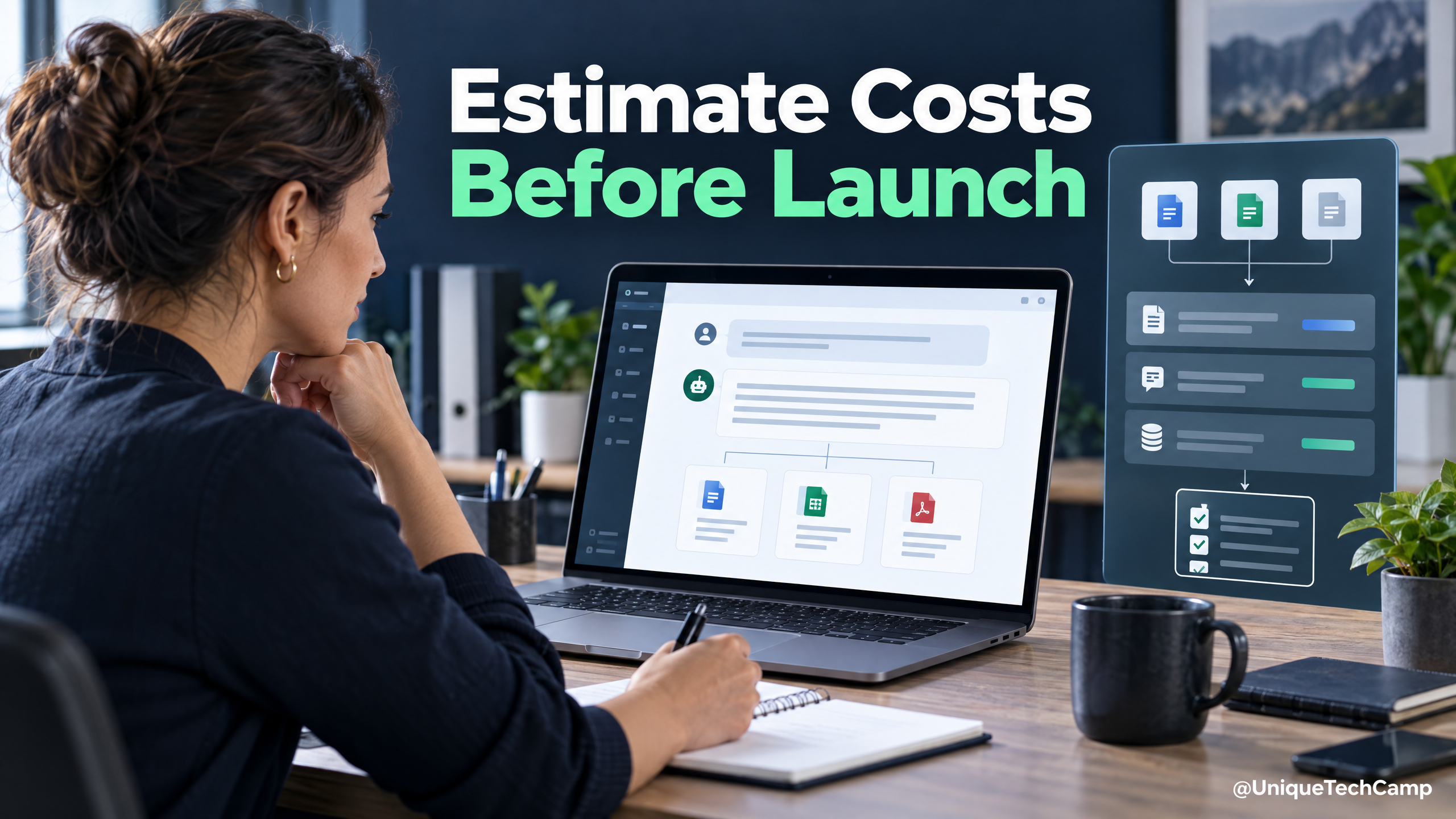
A business may have useful information spread across product manuals, operating procedures, tender documents and archived reports. Staff then spend time finding the right passage, checking which version is current and rewriting it for each request. A document assistant can help organise that work, but only if the answers stay tied to approved sources and the running cost is understood before launch.
OpenAI announced GPT-6.1 Sol on 29 September 2026 as an upgrade to GPT-6 Sol, with reported improvements in coding, professional work and computer use. The model is available through the API as gpt-6.1-sol. OpenAI listed standard API rates of US$2 per million input tokens, US$0.10 per million cached input tokens and US$10 per million output tokens. Its announcement also said GPT-6.1 Sol was available in ChatGPT Work and Codex for eligible Plus, Pro, Business, Enterprise and Edu users, but not yet in ChatGPT’s standard Chat experience at that time. Availability can change, so check the current OpenAI product announcement and account access before quoting a delivery date.
OpenAI’s performance figures come from its own evaluations and should not be treated as a guarantee for a particular Kenyan company’s documents or workflow. The practical question is whether the model can answer your real examples accurately, cite the right source and hand uncertainty to a person.
A service worth testing: a cited operations-document assistant
A small distributor, training provider or professional-services firm could offer an internal assistant that searches approved manuals and procedures, drafts a summary and points staff to the relevant section. A technology provider could charge for the initial discovery and integration, then for document updates, testing and support. The deliverable is a controlled search-and-draft workflow—not an autonomous expert or a replacement for legal, financial or technical review.
A sensible build sequence is:
- Pick a bounded task. For example, help staff locate warranty terms in a current product manual. Exclude tasks that approve refunds, interpret law or make safety-critical decisions.
- Prepare an approved source set. Remove obsolete versions and unnecessary personal information. Record document owners, dates and access permissions.
- Create a test set before building. Use real but authorised questions, expected answers and the source passage that should support each answer. Include questions the documents cannot answer; the system should say so rather than invent a response.
- Retrieve, then draft. Search only documents the user is allowed to see. Ask the model to answer from retrieved passages, include document names and page or section references, and flag missing or conflicting evidence. Keep the source text available for a human to verify.
- Put a person at the right gate. Staff can use low-risk summaries as drafts. A human should approve external advice, commitments, price changes or answers that affect a customer’s rights.
- Pilot with one team. Log corrections, missing sources, response time and actual token use. Expand only after the test set and day-to-day use meet the client’s agreed standard.
What the model cost could look like
The token rates make it possible to estimate a pilot before development. Suppose 1,000 requests each use 5,000 input tokens and produce 1,000 output tokens. That is 5 million input tokens and 1 million output tokens. At the announced standard rates, the model portion would be about US$10 for input plus US$10 for output, or US$20 in total. This is a worked example based on the stated assumptions, not a typical bill.
If half of those 5 million input tokens were eligible for the announced cached-input rate, the input portion would instead be US$5 for 2.5 million uncached tokens plus US$0.25 for 2.5 million cached tokens. With the same US$10 output cost, the total would be about US$15.25. Caching depends on repeated eligible input; do not budget a discount until usage records show it is happening.
These figures exclude software development, hosting, document storage or retrieval, monitoring, staff review, support, exchange-rate movements and applicable taxes. Long documents, retries, tool calls and longer answers change usage. Build a small test, read the actual API usage report and include a spending limit before a client pilot. The API rate is a component cost, not a client quote or a promise of margin.
Measure answers, not just tokens
Before launch, agree thresholds for answer correctness, source-match accuracy, unanswered questions, correction rate, latency and cost per reviewed response. Keep a sample of accepted and rejected answers for regression testing when documents or prompts change. Ask the team whether the assistant reduces search and rewriting time after review; do not describe the system as “saving hours” until that has been measured in the client’s workflow.
Data, rights and operating limits
For Kenyan businesses, the Data Protection Act requires personal data to be processed lawfully, transparently and for a defined purpose, and limited to what is necessary. If a hosted model or storage service processes information outside Kenya, assess the applicable transfer basis and safeguards rather than assuming that a cloud service is automatically compliant. The ODPC’s 2026 cross-border guidance discusses due diligence, data-processing agreements and oversight. Kenya Data Protection Act, 2019 · ODPC guidance on cross-border data transfers
Check that the customer has the right to process and upload each document. Minimise confidential or personal information, confirm retention and access settings, and tell staff what is sent to the service. Do not use a document assistant as the final authority for legal, medical, financial or safety decisions. Test for made-up citations, missing caveats, prompt injection hidden in source files and exposure of one customer’s documents to another.
Design the evidence path before the prompt
A document assistant is easier to trust when its evidence path is explicit. The application should know which collection a user may search, which passages were returned, and which passages were actually used in the answer. This is different from placing a large document in a prompt and hoping that the model remembers the right paragraph. A retrieval layer can narrow the working material before generation, while a response policy can require the assistant to say when the available evidence is insufficient.
OpenAI describes its Retrieval API as semantic search over a data set, powered by vector stores. Semantic search can surface relevant text even when the query and passage share few keywords. Its official retrieval guide also explains that search returns relevant chunks, similarity scores and the file of origin. Those details are useful for an operations assistant because they create an auditable hand-off: the interface can show the source file and the reviewer can inspect the passage rather than accepting a fluent answer on trust.
File search offers a managed route for the same pattern. OpenAI’s file-search documentation says that uploaded files are placed in vector stores and made available through semantic and keyword search. It also describes file citations in the response. A production design should retain those citations, map them to a document version, and make them visible to the person reviewing the draft. If a citation cannot be resolved to an approved file and passage, the answer should be treated as unverified rather than silently published.
Turn a cost estimate into a budget control
The worked example in this article is a model-token estimate, not a complete service budget. A responsible pilot should separate at least four ledgers: model input and output, retrieval and storage, application infrastructure, and people. The people line includes document preparation, permission checks, test-set maintenance, review of difficult answers and incident handling. A low API bill can still produce an expensive service if every answer needs manual repair or if source documents require frequent re-indexing.
Use the provider’s current pricing page when converting logs into a forecast. The OpenAI API pricing table lists GPT-6.1 Sol’s standard short-context rates as US$2.00 per million input tokens, US$0.10 per million cached input tokens, US$2.50 per million cache writes and US$10.00 per million output tokens. It also lists higher long-context rates of US$4.00 input, US$0.20 cached input, US$5.00 cache writes and US$15.00 output per million tokens. This distinction matters when a request is large enough to fall into the long-context tier; a forecast should classify requests by the applicable tier rather than applying one blended price to every call.
Record input, cached input, cache-write and output usage separately for every request. Add a request identifier, model name, document-collection identifier and outcome label. Then calculate cost per request and cost per accepted, human-reviewed answer. If a request is retried, retain both the original and retry usage. Otherwise a dashboard can make a workflow appear cheaper by counting only the final successful call.
Make permissions part of retrieval
Access control must happen before the assistant searches a collection. A user who may read the sales handbook should not automatically be able to search a human-resources folder merely because both files share one vector store. Store document ownership, business unit, sensitivity label, effective date and retirement date as metadata. Apply the user’s authorisation to the search request, and test that a deliberately unauthorised question returns no source passage. Filtering after generation is too late: the model may already have seen the restricted text.
Version control is equally important. Give each approved file a stable identifier and record when it became effective. When a replacement arrives, retire the previous version deliberately, preserve it for audit where required, and prevent ordinary searches from mixing instructions from both versions. A source citation should identify more than a filename where practical; include a version or effective date and a page, heading or section reference. This makes a correction reproducible when a policy changes.
Test the negative space as carefully as the successful examples. Ask questions whose answer is absent, ask about a retired policy, and ask for information from another department. Include scans with poor extraction, tables with ambiguous headings and documents containing instructions aimed at the model rather than at staff. The expected behaviour is not a confident guess. It is a clear statement that the evidence is missing, conflicting or outside the assistant’s permitted scope, followed by a route to human review.
For a team scoping a document assistant, UniqueTechCamp can help map retrieval, access controls and human review into a testable workflow.
Apply Kenyan data-protection duties to the workflow
The Kenya Data Protection Act is more actionable here than a general privacy notice. Section 25 requires lawful, fair and transparent processing, an explicit and legitimate purpose, data minimisation, accuracy and limited retention. It also addresses transfers outside Kenya where adequate safeguards or data-subject consent is required. Read the Kenya Data Protection Act text with the customer’s actual document flow, rather than assuming that an AI label changes the underlying duties.
Before uploading a collection, identify the controller and processor roles, the purpose for each category of document, the lawful basis, the people who may access it and the retention rule. Give staff a short explanation of what is sent to the hosted service and why. If a high-risk processing operation is contemplated, section 31 provides for a data-protection impact assessment before processing. The assessment should describe the data flow, consider necessity and proportionality, and record measures that reduce the risk.
OpenAI says its API customers control business inputs and outputs where allowed by law, and that business data is not used to train models by default. Read the OpenAI enterprise privacy commitments with the API terms and contract. Those statements do not replace the customer’s own lawful-upload, retention and access decisions.
Keep secrets out of prompts and logs. Redact unnecessary identifiers where the task permits, restrict logs to authorised operators, and define how a person can request access, correction or deletion. Have a process for disabling a compromised account, removing an exposed file from the index, investigating an incorrect disclosure and notifying the relevant parties where required. These controls should be exercised in a tabletop test before the assistant handles sensitive customer or employee records.
Use a measured release gate
Publish a narrow service description: which collections are covered, what the assistant can draft, what it must refuse and who approves the result. Keep the original source passage beside an external response until the reviewer accepts it. The most defensible costed assistant is therefore not the one with the lowest token total. It is the one whose access rules, evidence, human decisions and usage records make both the answer and the invoice explainable.
A practical next step
Start with one document collection and a small, approved set of questions. Estimate the model cost from actual token logs, measure whether sourced answers are reliable, and price implementation, governance and support separately from usage. UniqueTechCamp can help scope a document workflow and connect it to an organisation’s existing digital systems without treating model access as the whole product.
Deploy An Autonomous AI Lead Gen System Today
We engineer high-converting web applications with integrated 24/7 WhatsApp qualification bots and multi-channel follow-up drips.
Related Strategy Articles
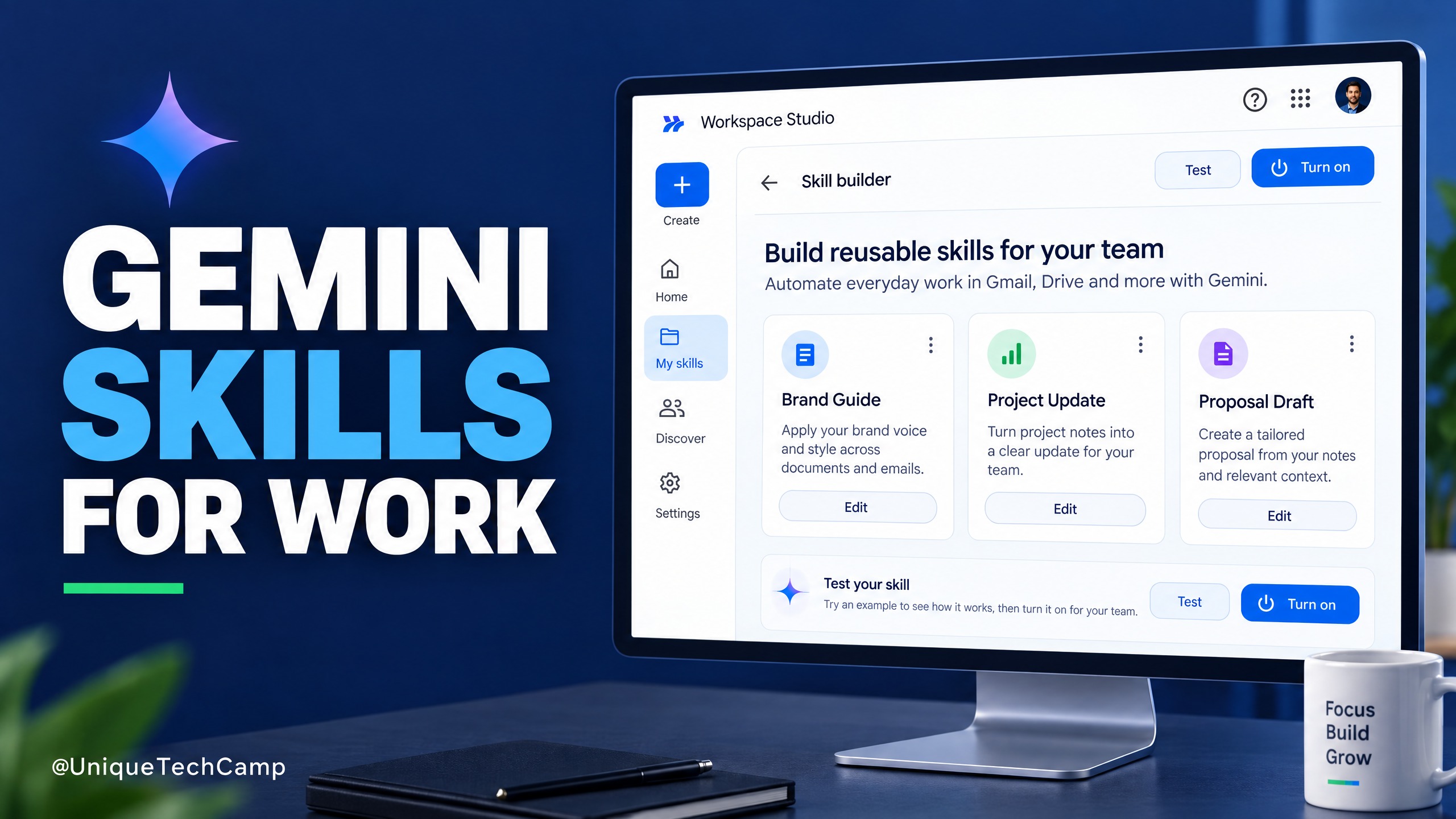
Google Workspace Skills: A Practical Guide for SMEs
Google Workspace Skills let teams reuse custom instructions across supported Workspace apps. This practical guide explains the rollout, eligibility checks, a safe pilot workflow and what to measure before expanding.
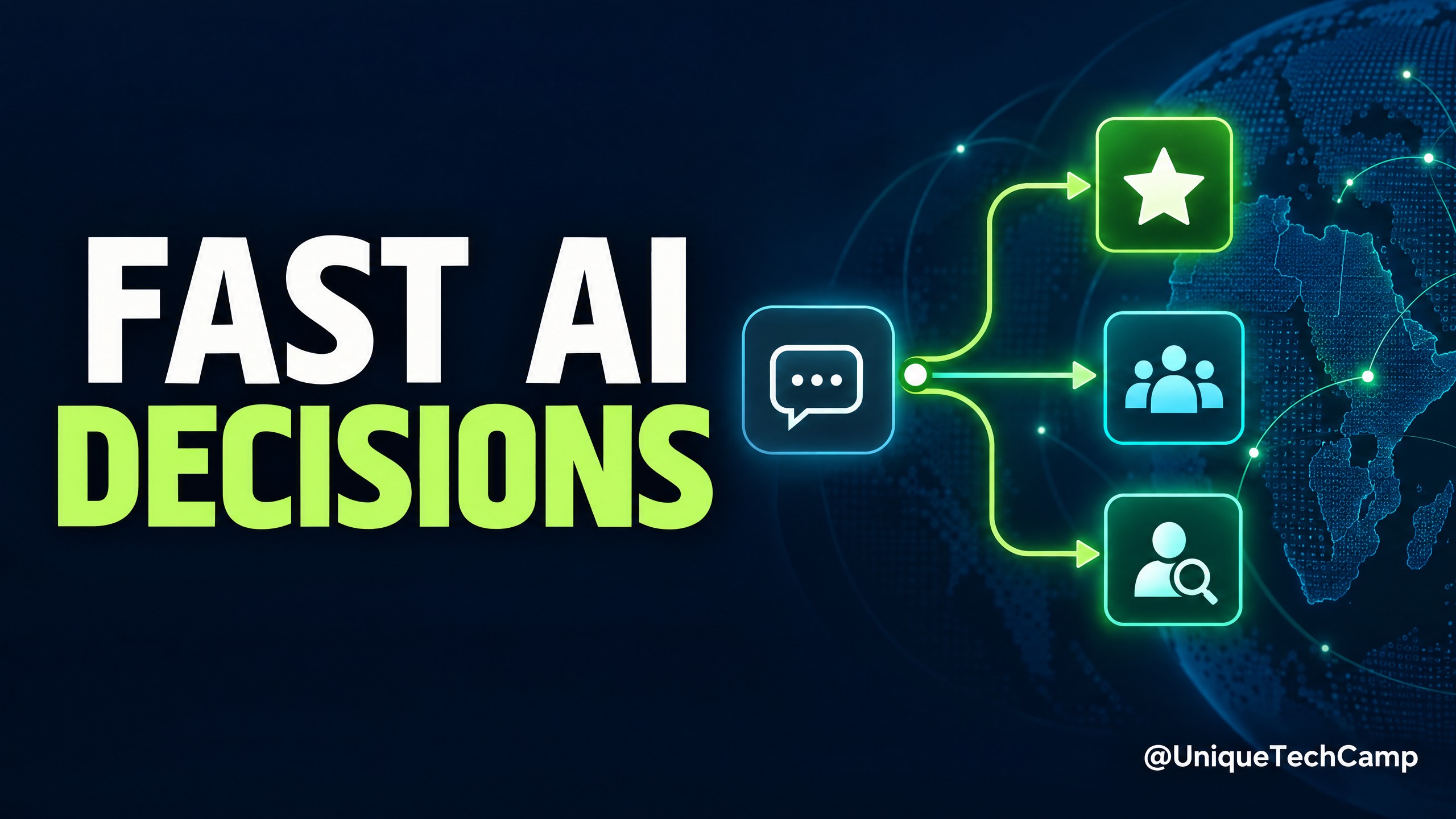
Cloudflare Clef: A Practical AI Triage Guide for SMEs
Cloudflare Clef turns support messages into bounded decisions rather than free-form answers. Here is a practical way for SMEs to test it, measure value and keep a human in control.
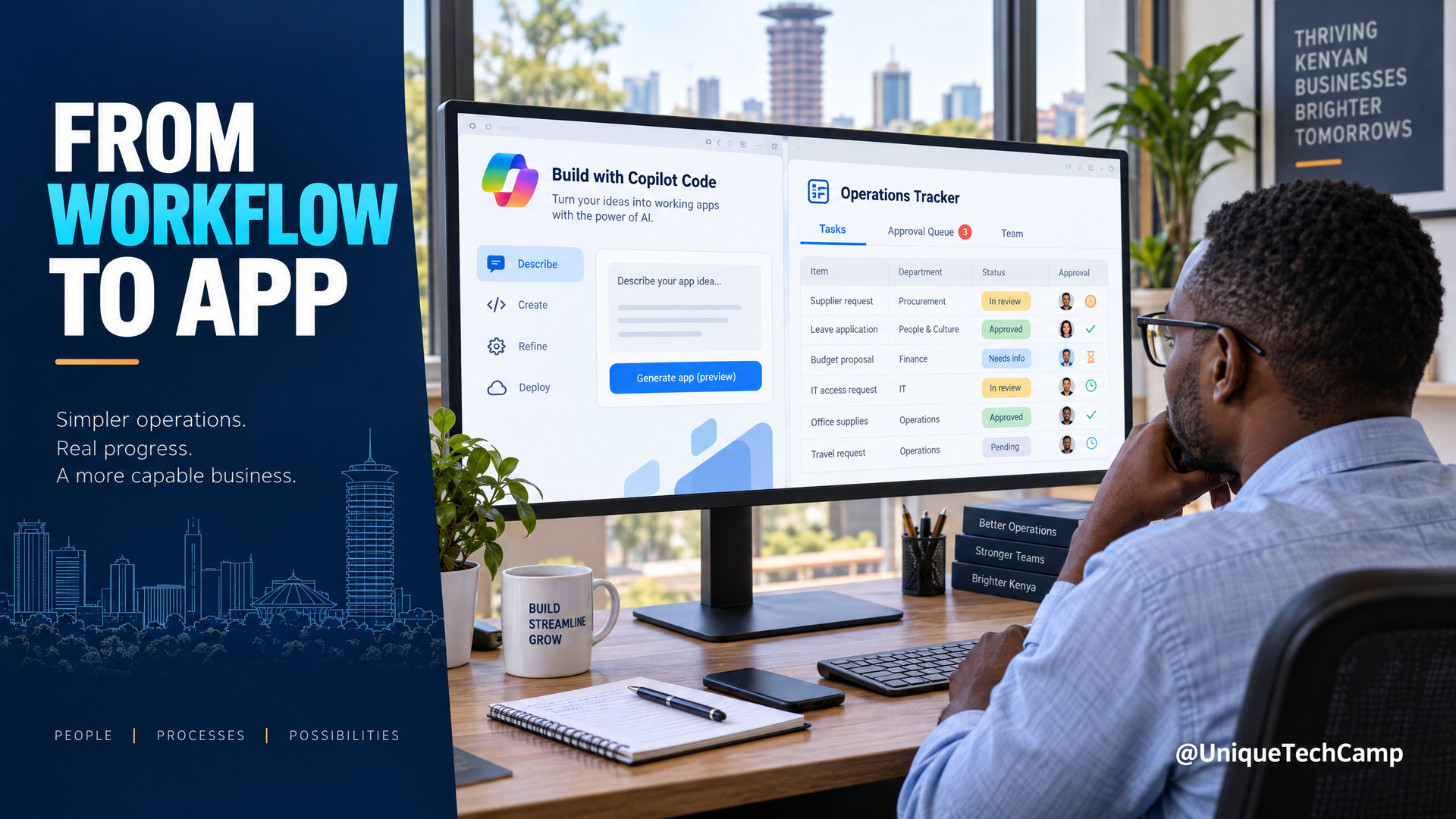
Microsoft Copilot Code for SMEs: A Practical Workflow-to-App Offer
Microsoft Copilot Code is still rolling out. Learn a practical workflow-to-app service for Kenyan SMEs, with verified pricing, usage limits and a safe pilot plan.
UniqueTechCamp Desk
Online • Reply < 5 mins